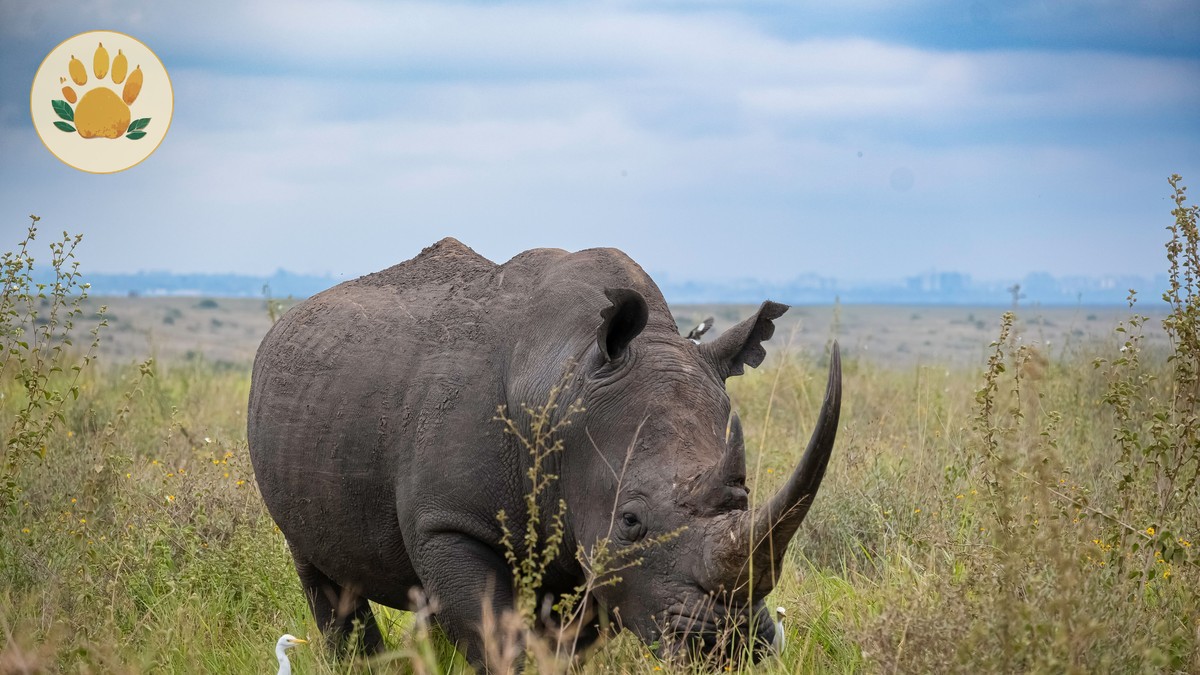
Walking toward a rhino on foot is rare in Kenya. Sera Conservancy rhino sanctuary gives you that chance at a listed price. The guided rhino-tracking walk costs $80 per adult. Daily access to the sanctuary costs $30 per adult. Use this checklist while you plan.
1. What Is the Sera Rhino Sanctuary?
Sera Rhino Sanctuary is a 10,700-hectare fenced reserve inside the Sera Wildlife Conservancy, a community-owned area of about 340,000 hectares in Samburu County. It opened as East Africa’s first community-run black-rhino sanctuary, created by local communities and conservation partners to restore rhinos to northern Kenya.
The phrase community-run matters here. The people who manage the land also run the gate, the ranger team, and the campsites. Expect a quiet entrance and fewer vehicles than you would find in a national park during high season.
2. Which Rhinos Are at Sera?
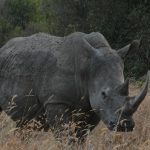
Sera protects both critically endangered black rhinos and southern white rhinos. The sanctuary started with 10 black rhinos, and official sources say the population has grown to 26 or 27. White rhinos arrived more recently, with four now living in the sanctuary and at least one calf born since their arrival. Birth numbers change, so confirm current counts before you travel.
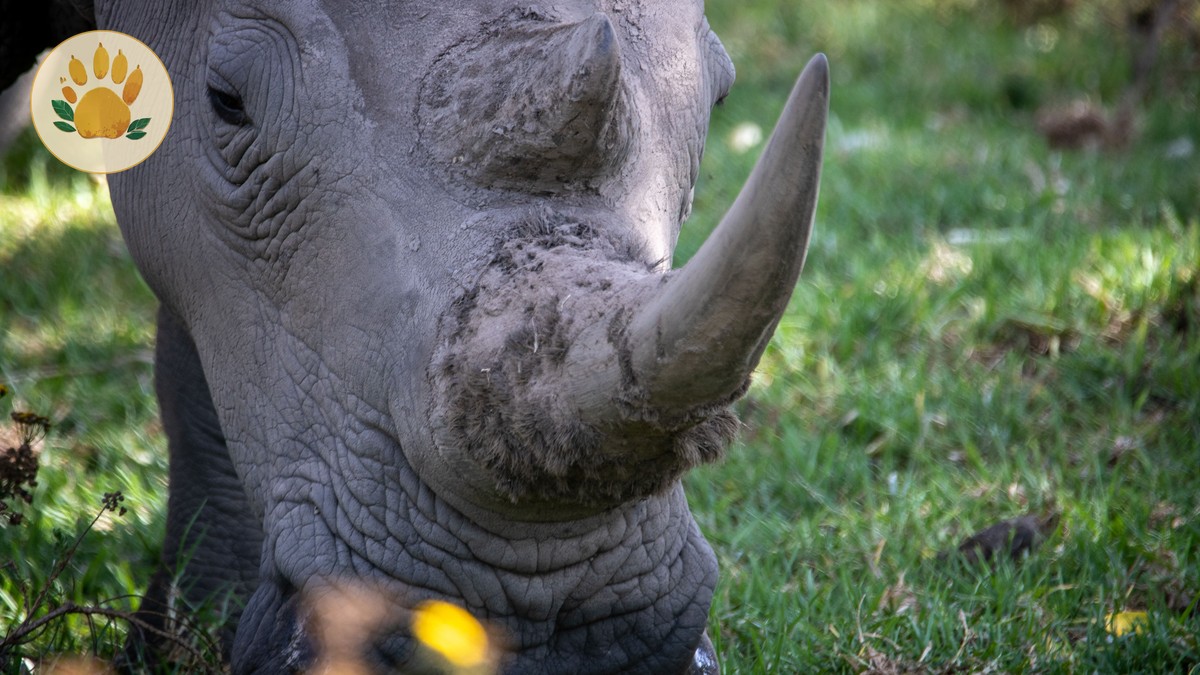
The two species behave differently. Black rhinos browse and prefer thicker bush. White rhinos in Sera graze on open grass and are easier to see. For photographers, that difference affects the lens and the light you need. Your guide can explain how the two populations use the same land.
3. The Rhino Tracking Experience on Foot
Visitors can join a guided rhino-tracking walk on foot, with real chances to search for both black and white rhinos. The walk costs $80 for non-resident adults and happens in a remote, protected wilderness. It is limited to people older than 16, and advance booking with Sera Conservancy is required.
The walk usually starts early, when the air is cool and the light is low. You move with a ranger, reading tracks and listening. Sightings are not guaranteed. A patient rhino tracking Kenya safari depends on the time you give this place.
SafariPure normally schedules the full morning for the walk, not a quick stop. For photographers, the slow pace is the point. It keeps dust down, noise low, and the group in the right position for the light. If you want to compare standards before you book, read our notes on rhino tracking rules at Lewa, where the walking program is managed differently.
4. Sera Conservancy Rhino Sanctuary Costs: $30 Access, $80 Walk, and Camping
For non-resident adults, sanctuary access costs $30 per day, and the guided rhino-tracking walk costs an additional $80. Both figures exclude VAT. Private camping costs $20 per adult per night, while hosted sanctuary camping is listed at $50 per adult per night. Children pay separate access and camping rates, but they cannot join the rhino tracking.
Fees at the Sera Conservancy rhino sanctuary:
| Fee at Sera | Non-resident price (USD) | Notes |
|---|---|---|
| Daily sanctuary access | 30 per adult per day | Excludes VAT |
| Guided rhino-tracking walk | 80 per adult per walk | Excludes VAT; age over 16; book ahead |
| Private campsite | 20 per adult per night | Self-sufficient; bring tent, food and water |
| Hosted sanctuary camping | 50 per adult per night | Camp is arranged for you on site |
The published rates exclude VAT, and the sanctuary will add it to your invoice. Ask for a written breakdown that shows the VAT separately.
If you are weighing northern Kenya options, our comparison of Ol Pejeta rhino tracking cost is useful. Ol Pejeta is a private conservancy with its own fee schedule. Sera is a different model, and the difference shows in the fee structure.
5. How to Get to Sera Conservancy
Most visitors fly from Nairobi by small bush plane to the Samburu area, then continue by road for about two hours to the remote conservancy. The final transfer and limited infrastructure make Sera better suited to travelers comfortable with multi-stage logistics than to visitors looking for an easy self-drive stop.
Book the entire chain before you fly: the bush plane, the road transfer, the sanctuary gate, and the morning walk. A road drive from Nairobi covers an indicative 400 to 520 kilometers and needs a full day in a 4×4. Confirm your expected arrival window with the Sera Wildlife Conservancy office when you book.
6. Where to Stay: Campsites and Lodges
Sera offers designated campsites for self-sufficient guests who bring their own tent, food, and water, plus hosted camping inside the rhino sanctuary. Visitors can also book through specialist operators such as Saruni, whose two-night stay includes sanctuary access and the on-foot tracking experience.
Do not expect a permanent lodge inside the fence. The sanctuary is intentionally simple, which keeps the rhino experience wild. Hosted camping solves the tent problem. Self-sufficient camping saves money but adds responsibility, because you bring water and take away your waste.
Outside the sanctuary, operators such as Saruni run stays that combine the Samburu ecosystem with Sera walking. Their camps handle food and guiding while you focus on the rhinos.
7. Best Time to Visit Sera Rhino Sanctuary
The strongest months for rhino tracking are generally June to October and December to March, Kenya’s drier seasons. Tracking usually starts early in the morning, when temperatures are lower and walking is more comfortable. Exact sightings are never guaranteed because rhinos move freely through the sanctuary.
The dry season also suits this kind of walking. Tracks stay visible in dust, and the bush is more open than in the green season. In terms of light, mornings after the short rains are crisp. A walking safari here is planned around rhino behavior, not around a sunset viewpoint.
8. Community Conservation and How Your Fees Help
Sera is owned and managed by Samburu communities. Conservation revenue supports employment, education, water provision, and local development. The conservancy was also created to link wildlife protection with peace and shared resource management among neighboring communities. Your visit supports a community-run model, not a private reserve.
That arrangement makes Sera the clearest example of a community-owned rhino conservancy in East Africa. The $30 access fee and $80 walk support ranger wages, sanctuary maintenance, and community projects, not distant shareholders. Your fee is one practical example of how conservancy fees help communities across northern Kenya.
Your Next Step: Book a Sera Rhino Walk
Pick a month and decide how many mornings you want in the sanctuary. Then send those dates to SafariPure through our contact page. We will confirm availability, apply the Sera Conservancy rhino sanctuary fee schedule, and coordinate the $80 walk, flights, transfers, and camp booking. This is a safari where slow planning pays back in quiet mornings.